
INCUMBENT'S
CHECKLIST
Leadership in Review
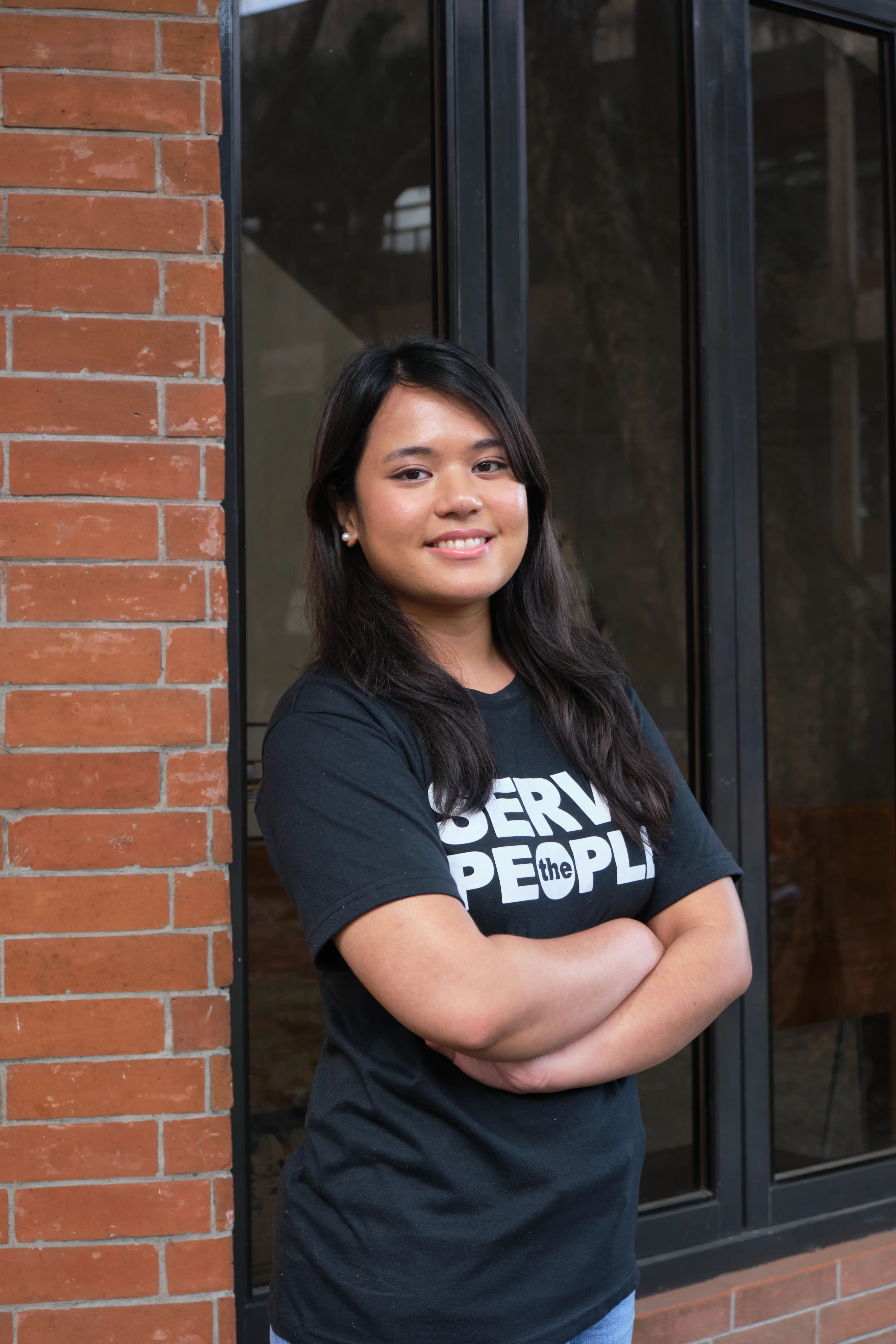
Annika Torres
Sanggunian President
by Akeezia Carreon
FINDING PURPOSE amid the height of campus protests, Sanggunian President Annika Torres ran for the Second Sanggunian Special Elections with a strong commitment to student empowerment and representation. Channeling her motivations into action, she focused her leadership on three key priorities: enhancing student spaces, promoting student welfare, and encouraging civic engagement through mobilizations. While her term may be short, Torres remains dedicated to building lasting systems and fostering collective leadership that will continue to benefit Ateneans beyond her presidency.
My hope is for these projects [and] systems to outlive us. We don't want term dependency; we don't want it to be credited to just our term. We want it to live long lives, to have systems that last. [Because] it will be decisive in how expansive our student participation [will be] in the issues that concern us as a community.
Provided alternative study spaces for students
Coordinated with The Varda Group to make 2Gonz an alternative all-night study space in light of Matteo Ricci’s renovation.
Suggested the addition of tables and chairs along Kostka Extension as well as the Science Education Complex (SEC) A Foyer to the Central Facilities Management Office (CFMO).
Took part in the One Katipunan Against Corruption Protest
Established One Katipunan with Miriam College and University of the Philippines Diliman throuhg an inaugral anti-corruption mobilization for National Students' Day.
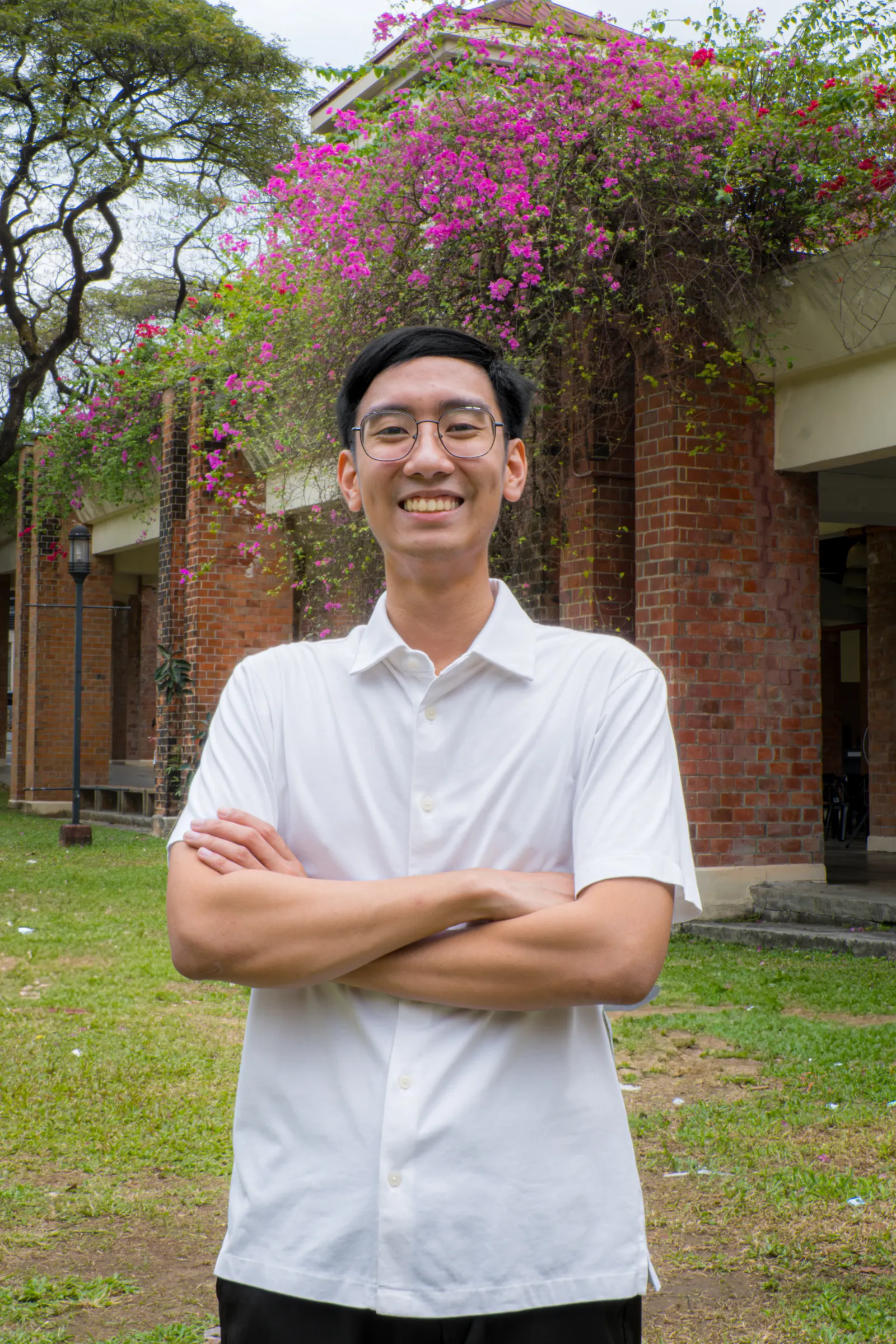
Jedryc Romero
Sanggunian Vice President
by Roi Manimtim
DETERMINED TO build a community of care and engagement, incumbent Vice President Jedryc Romero anchored his term on changing the collaborative culture of the Sanggunian “for the better.” Throughout his tenure, Romero emphasized the importance of deepening their core principles as a student government to better serve the Ateneo community. Nearing the conclusion of his term, Romero hopes that the Sanggunian can “represent” the student body by lobbying concerns to the administration. He also aspires to have people who will continue standing “for them and with them” in the student movement.
Coming from a context where I really saw how fragmented the Sanggunian was and how [the previous officers] weren't [able to work effectively] as a student government, [I saw] how I could use my skills to help improve our student government, given that it has so much potential and possible impact that could happen only if it was run much better.
Streamlined communication channels between the Sanggunian, Ateneo administration, external groups, and stakeholders
Reestablished the #SabihinSaSanggu Student Form as a centralized channel for student concerns and feedback.
Held ConstiConversation to gather community insights for the revisions of the 2019 Undergraduate Constitution.
Coordinated stakeholder meetings with the Gonzaga cafeteria concessionaires and the University Business Affairs Office (UBAO) regarding student concerns on dining hall.
Released public briefers on various Central Assembly (CA) session updates and University-wide announcements.
Facilitated sectoral engagement by onboarding the Sector Representatives and aligning their plans for AY 2025–2026, while also offering consultative guidance and support on their legislation efforts.
Conducted various Sanggunian member engagement and formation initiatives
Oriented newly-elected course representatives on their participation in the CA sessions through the Intersession Course Representatives Convention.
Spearheaded the Legislative Convention, where Legislative Affairs heads convened to examine policy-making processes and improve the bill-drafting skills of Sanggunian members.
Led the Human Resources Convention in which Sanggunian internal units’ heads held a capacity-building session centered on prioritizing organizational welfare and strengthening internal support systems.
Facilitated a training seminar centered on effective leadership and organizational management for Sanggunian Unit heads.
Established the Hello, Sanggu! Weekly whiteboard challenges to cultivate better member engagement within the Sanggunian organization room.
Released an internal Sanggunian Student Perception survey to gather insights on the current performance of the Sanggunian, while also assessing member satisfaction and activeness within the organization.
Held the Leadership Seminar 2026, bringing together student leaders to engage in discussions on human resources, policy making, and financial management skills.
Launched initiatives aimed at improving Sanggunian internal operations
Utilized the Sanggunian Telegram Chat as a centralized avenue for communication within the student council.
Led the Sanggunian room clean-up and rehabilitation to replenish inventory and supplies, while also offering an additional space for members.
Initiated Office of the Vice President (OVP)-wide Planning Seminar to assess the initiatives during the first semester, while also looking at what the office can improve for the second semester.
Facilitated the CA Planning Seminar to evaluate the performance of the CA regarding their legislation and efforts for the student body.
Strengthened political awareness and civic engagement among the student body
Facilitated the coordination across sectors and organizations during the Anti-Corruption Student Body Walkout
Facilitated the Educational Discussion on the Youth’s Role Against Corruption to emphasize the youth’s responsibility in promoting transparency and accountability.
Spearheaded Talakayang Alay sa Bayan (TALAB) – HAKBANG: A Policy Mapping Workshop led by the OVP Policy Planning Unit to introduce gender-responsive policy frameworks and highlight the lived experiences of persons with disabilities.
Organized Lehis-laturuan, an educational initiative aimed at equipping students with a deeper understanding of legislative processes, while empowering them to actively participate in student governance.
Elevated student concerns to the Administration through survey reports and on-ground awareness campaigns
Conducted the Gonzaga Cafeteria survey and townhalls, gathering over 400 student responses and successfully advocating for students to stay on the second floor.
Conducted University on-ground awareness campaigns to inform the Ateneo student body regarding the proposed 6% Tuition and Other Fees Increase and gather their insights regarding other campus issues.
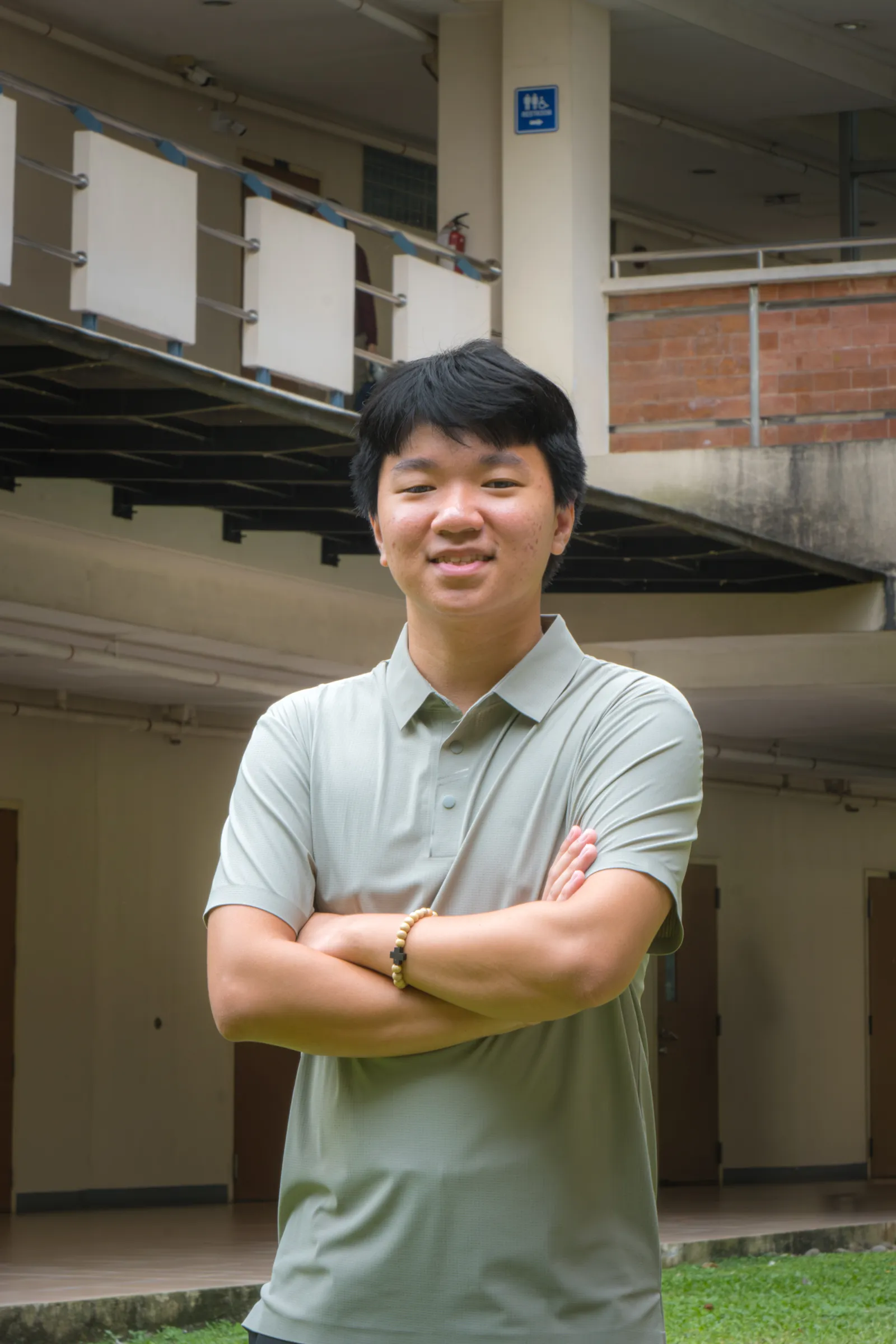
Jeremiah Lim
JGSOM Representative
by Diego Gorriceta
DRIVEN TO make the student government visible and impactful, incumbent John Gokongwei School of Management (JGSOM) Representative Jeremiah Lim ran for his position in hopes of making the Sanggunian feel more present. Throughout his term, he focused on bridging student concerns through initiatives centered on accessibility, service, and responsive governance. By the end of his term, he expressed hope that his leadership was meaningfully felt and recognized by the JGSOM community.
There were a lot of people saying [that the Sanggunian] was becoming irrelevant, or people didn't really know what [the student government] was doing. So [...] I took that as an invitation to try to see what [systems] could be changed within [the Sanggunian].
Created key governance initiatives
Assisted in writing the Sanggunian Action on Governance In the Situation of Abstention in Government (SAGISAG) Act, which aimed to address governance gaps that emerged amid the presidential vacancy during the start of the academic year.
Led the comprehensive rebranding of the JGSOM Sanggunian in hopes of being more student-facing and service-oriented.
Created the SaSOMmuhan ka online help desk, which serves as a year-long initiative, to assist students through “one-stop digital platform.”
Strengthened capacity-building initiatives in the JGSOM community
Created the Research and Data Division to compile and present monthly reports, consolidate student concerns from various channels, and ensure cabinet discussions are informed and grounded in feedback.
Organized a finance workshop for personal finance training for attendees to be more financially literate and to better navigate the organizational financial procedures.
Talayang Alay Sa Bayan (TALAB) 2025: Empowering Through Enterprise
The JGSOM Sanggunian supported TALAB 2025 in collaboration with the Marketing and Law Department, assisting in Congressman Chel Diokno’s talk, and leading the faculty union session with Atty. Arnold F. De Vera and Atty. Rhea Berba-Quimson Yang.
Spearheaded legislative and policy advocacy initiatives
Formed a resolution, calling for the Amendment of the 2019 Undergraduate Constitution to address contemporary Sanggunian challenges. This document is a non-binding resolution that expresses the Central Assembly’s support for updating the 2019 Undergraduate Constitution.
Created a declaration condemning corruption and affirming the JGSOM Sanggunian’s belief in the importance of honest and accountable governance in the Philippines.
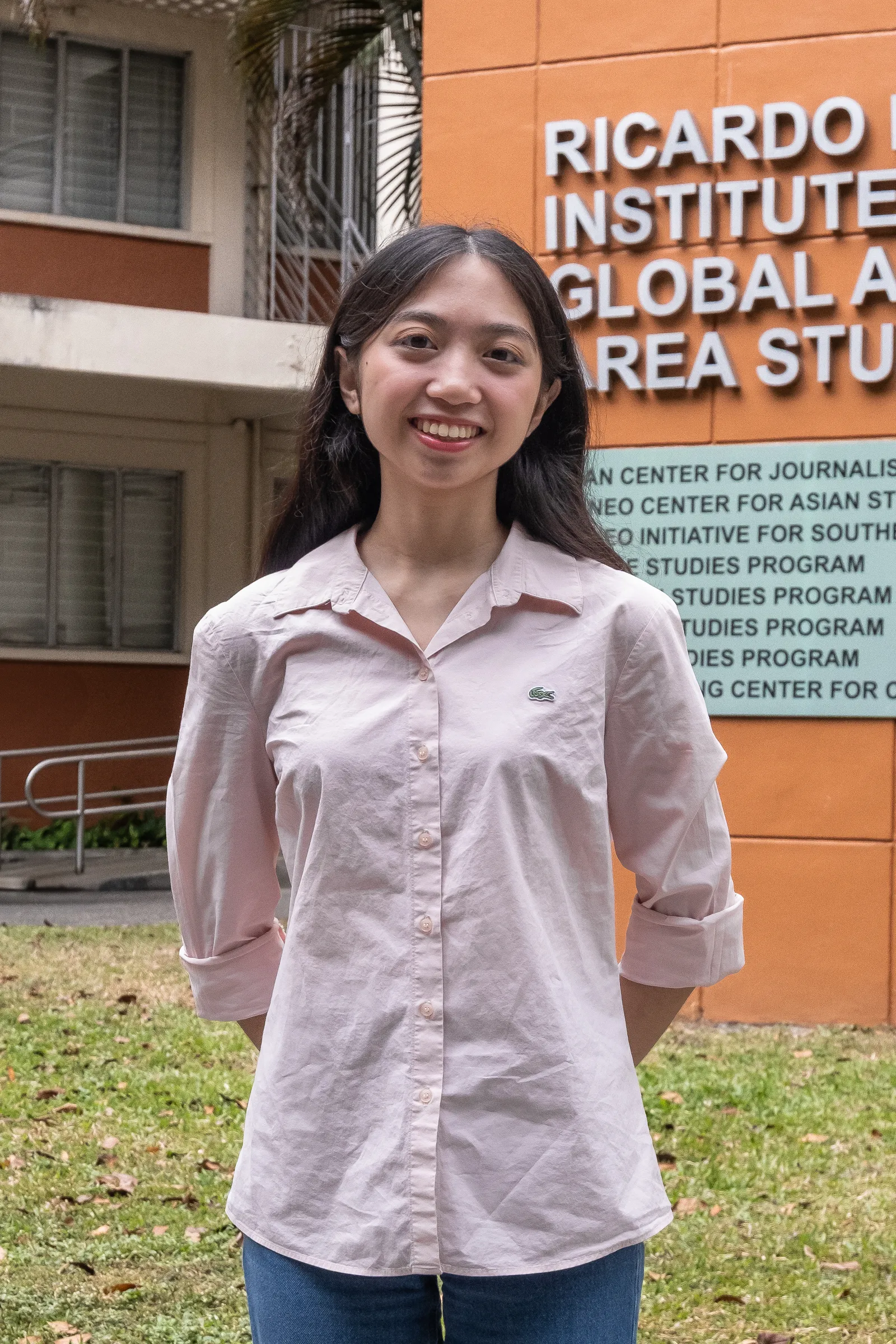
Giorgia Orda
RGLSOSS Representative
by Andie Manlusoc
COMMITTED TO reaching out to students, incumbent Dr. Rosita G. Leong School of Social Sciences Representative (RGLSOSS) Giorgia Orda fostered a culture of empathy and compassion within the RGLSOSS community throughout her tenure. As she approaches the end of her term, Orda hopes to leave both technical and support systems to ensure that the RGLSOSS Sanggunian functions efficiently, while empowering its members.
[I]t's not supposed to be the students who approach us, [...] we have to show that we are willing to take the first step in reaching out and connecting with the students.
Facilitated socio-political and community engagement initiatives
Led First Day Fight to “strengthen inclusive governance through responsive leadership and accountable institutions,” collaborating with multiple political organizations within and outside the Ateneo.
Facilitated POSpektibo ng Mamamayan by inviting citizen speakers into second-year Political Science classes, where they shared their stories and personal views on political issues. This deepened the students’ awareness and engagement with topics such as Comparative Politics and History of Political Theory.
Hosted Talakayang Alay sa Bayan events, including “Unseen, Unheard, Understood: A Conversation on Invisible Disabilities in the Philippines” and “The Other Side of Justice: The Voice Beyond Bars” to shed light on marginalized groups.
Organized a community outreach program entitled Akap to the Little Sisters of the Abandoned Elderly, fostering meaningful interactions with the elderly.
Facilitated Queering the Campus during Pride Month through a printed map where students can post anonymous notes and pins to highlight their safe spaces around campus.
Organized an online campaign to highlight the experiences of Martial Law and Drug War survivors, educating the Ateneo community and promoting historical awareness.
Organized the UN@80 in the Philippines traveling photo exhibit that highlighted the long-standing partnership of the Philippines and the United Nations.
Promoted accountability and transparency through student engagement initiatives
Published SOSS Makialam to provide monthly reports on the RGLSOSS Sanggunian’s initiatives.
Hosted SOSSpeaks to provide a platform for students to raise concerns, ask questions, and engage directly with RGLSOSS Dean Czarina Saloma-Akpedonu, PhD and representatives on academic and community matters, fostering open dialogue and improving student experiences.
Implemented student support initiatives
Launched SOSSalubong and Sealubong, to welcome SOSS freshmen, providing them with guidance and support during the first weeks of AY 2025–2026.
Organized SOSS Spaces Community Pantry during Midterms and Final exams to provide a dedicated space for their academic needs.
Established policy reforms to promote inclusivity
Enacted the RGLSOSS Code of Legislative Procedures Amendment Act, which seeks to update the School Assembly Code of Legislative Procedures (CLP) to be more relevant to the realities of law-making, including accessibility for lawmakers with disabilities.
Passed the Broadening Awareness and Support for the Mental Health Needs resolution, which aims to recognize students and workers of the Ateneo community with neurodivergent identities, mental health conditions, and other disabilities to prevent discrimination and encourage dialogue and support.
Maria Francesca Montaña
SOSE Representative
by Anne Vera Cruz
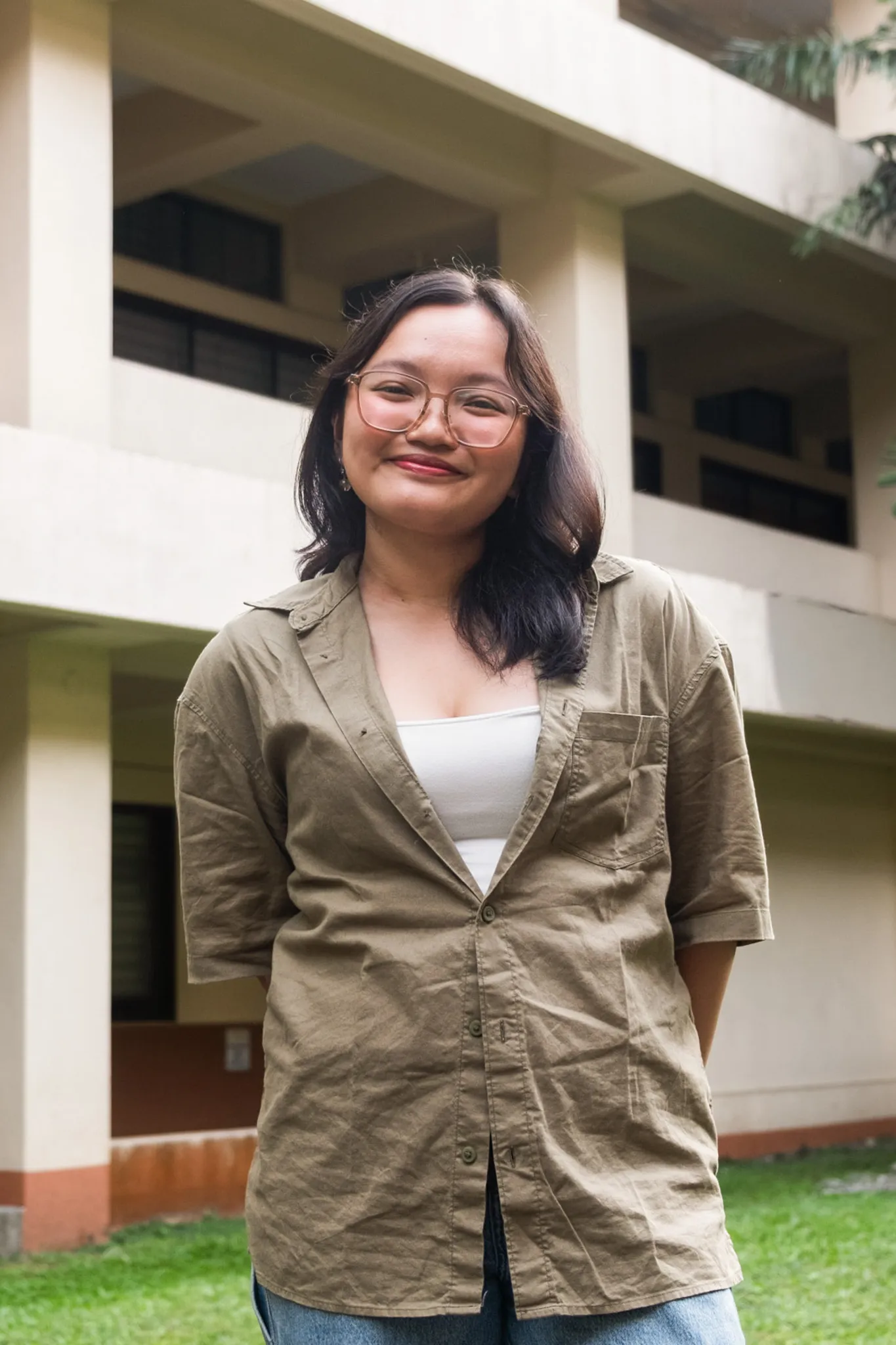
IN PURSUIT of transforming passion into action, incumbent School of Science and Engineering (SOSE) Representative Maria Francesca Montaña led her term with a vision of addressing student needs and amplifying advocacies such as climate justice, public health, and science advocacy. With a few months left to her term, Montaña is dedicated to building a SOSE Sanggunian that truly connects and supports the community.
[...] If I really think I have what it takes to be a school representative, then I will prove it to the people. [But] at the end of the day, of course, it's the people's votes. It's not a guarantee that I would win. But I just really wanted to show them that I also have something to offer, and it's really rooted from genuine service.
Established better rapport within SOSE
Welcomed freshmen, transferees, and all current SOSE students to the new academic year through SOSE Kickstart.
Set up the SOSE Community Pantry, which offered drinks and snacks for SOSE students in preparation for their final examinations.
Held the annual mass for the National Medical Admission Test takers in partnership with the Office of Campus Ministry and several science-based organizations.
Launched SOSE Stories, an initiative showing recognition to SOSE students who have participated in local and global competitions.
Encouraged student participation in disaster risk management
Assisted in relief operations for communities affected by the southwest monsoon, in collaboration with the Ateneo Disaster Response and Management Team and the Tanging Yaman Foundation.
Sustained the Una sa SakUNA initiative to disseminate pertinent information on incoming natural disasters and disaster response.
Facilitated initiatives for social and environmental advocacies
Conducted two Talakayang Alay sa Bayan sessions in October 2025, helping educate the community on social issues through talks about women in prostitution and the labor sector.
Partnered with the Ateneo Institute of Sustainability for “Refill+” to promote eco-friendly habits and low-waste lifestyles.
Organized “BlueSteps,” a campus walkathon to promote physical activity in daily routines, in partnership with the Office of Health Services and various student organizations.
Provided institutional support for SOSE constituents
Financially supported seven organizations, such as Project LAAN and the Ateneo Biological Organization, as well as 16 SOSE students through the SOSE Sanggunian Resource Partnership Program (RPP) and Academic Subsidy (SAS) in the first semester, achieving budget utilization rates of 102.05% and 101.50%, respectively.
Launched the SOSE Calendar, which is an initiative aimed at promoting and supporting events hosted by science-based organizations.
Released the SOSE Sanggunian Job and Service Order Form for AY 2025–2026 to streamline services provided by the SOSE Sanggunian, such as subsidies, email blasts, and access to Zoom Premium.
Created a Google Form available year-long to systematically collate student enlistment concerns.
Strengthened collaboration with internal and external stakeholders
Conducted SOSEssions to realign goals and discuss plans with SOSE Sanggunian Division Heads as well as School Assembly members.
Held courtesy calls with SOSE departments and various student organizations to ensure support for SOSE constituents and discuss upcoming initiatives.
Established SOSE-mahan—an internal communication channel which allows home and independent organizations to collaborate with each other and communicate their needs.
Passed a resolution to establish the SOSE School Assembly and enact the Code of Legislative Procedures.
Launched the SOSE Sanggunian Course Representatives Evaluation Google Form to collect feedback from students on the performance of SOSE course representatives.
Arranged a SOSE Sanggunian Bonding during the first semester to internally reinforce bonds among members.
Vharon Gatchalian
SOH Representative
by Kayla Kagaoan
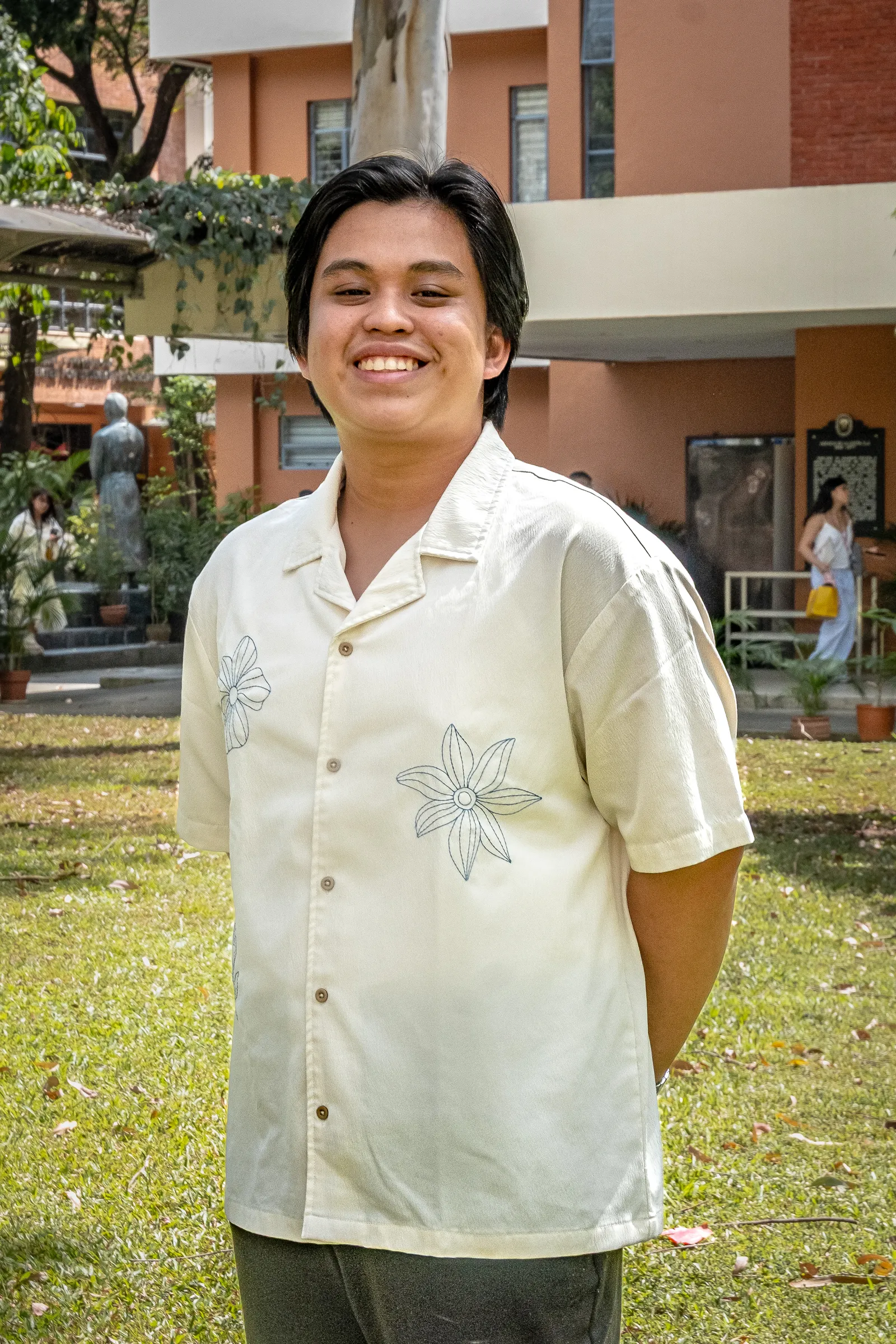
FUELED BY his passion for service, incumbent School of Humanities (SOH) Representative Vharon Gatchalian pursued his position in the Sanggunian with the goal of addressing the challenges within SOH, particularly the lack of manpower. Throughout his term, Gatchalian emphasized the importance of authentic engagement through a bottom-up approach. Reflecting on his time in office, Gatchalian hopes to leave behind not a legacy of grand projects, but a Sanggunian that maximizes its resources in bridging the Humanities community.
[SOH Sanggu] aim[s] to build a strong presence within the community [by] amplifying their concerns. It's fundamentally about being visible and engaged in a way that reflects the true identity of SOH. The cultural contributions of the Humanities to the Ateneo community are undeniable. The individuals within the humanities are the ones who carry and shape the school's culture.
Fostered community and solidarity within the SOH community
Conducted a comprehensive re-evaluation of the SOH Sanggunian’s organizational structure at the start of the academic year
Streamlined divisions to better support cross-functional work and reduce manpower dispersion by omitting the Logistics Department.
Organized specialized workshops and training sessions for SOH members to build capacity and quality of internal resources.
Created SOHmbayanan, an online community through Facebook and Messenger groups to help students identify with their school.
Implemented the SOH Local Board to address the school’s relatively disconnected community work, providing students with opportunities to reach out and help their coursemates navigate college life.
Collaborated with different performing arts organizations within the University for ticket giveaways for productions such as Ateneo Blue Repertory’s “The Guy Who Didn’t Like Musicals”, Ateneo Musicians’ Pool’s “Kundiman”, and Tanghalang Ateneo’s “Paano Man ang Ibig.”
Built relationships with humanities-based organizations
Prioritized connections with humanitarian organizations, such as HEIGHTS Ateneo, PLUME, and Writerskill, to foster a sense of community within the SOH courses.
Conducted at least 20 individual consultations with group-led event organizations to understand their needs and better support their initiatives.
Opened lines of communication with humanities-inclined organizations to build and expand a mutual network of support.
EDSA@40 Art Fair Initiative
Organized an exhibit to help showcase the collected works and foster dialogue on democracy, freedom, and civic participation.
Called for artistic submissions within and beyond the SOH community to commemorate the 40th anniversary of the EDSA People Power Revolution.
Hxyll Almonguera
Scholar's Sectoral Board Representative
by Allison Paige Bayonas
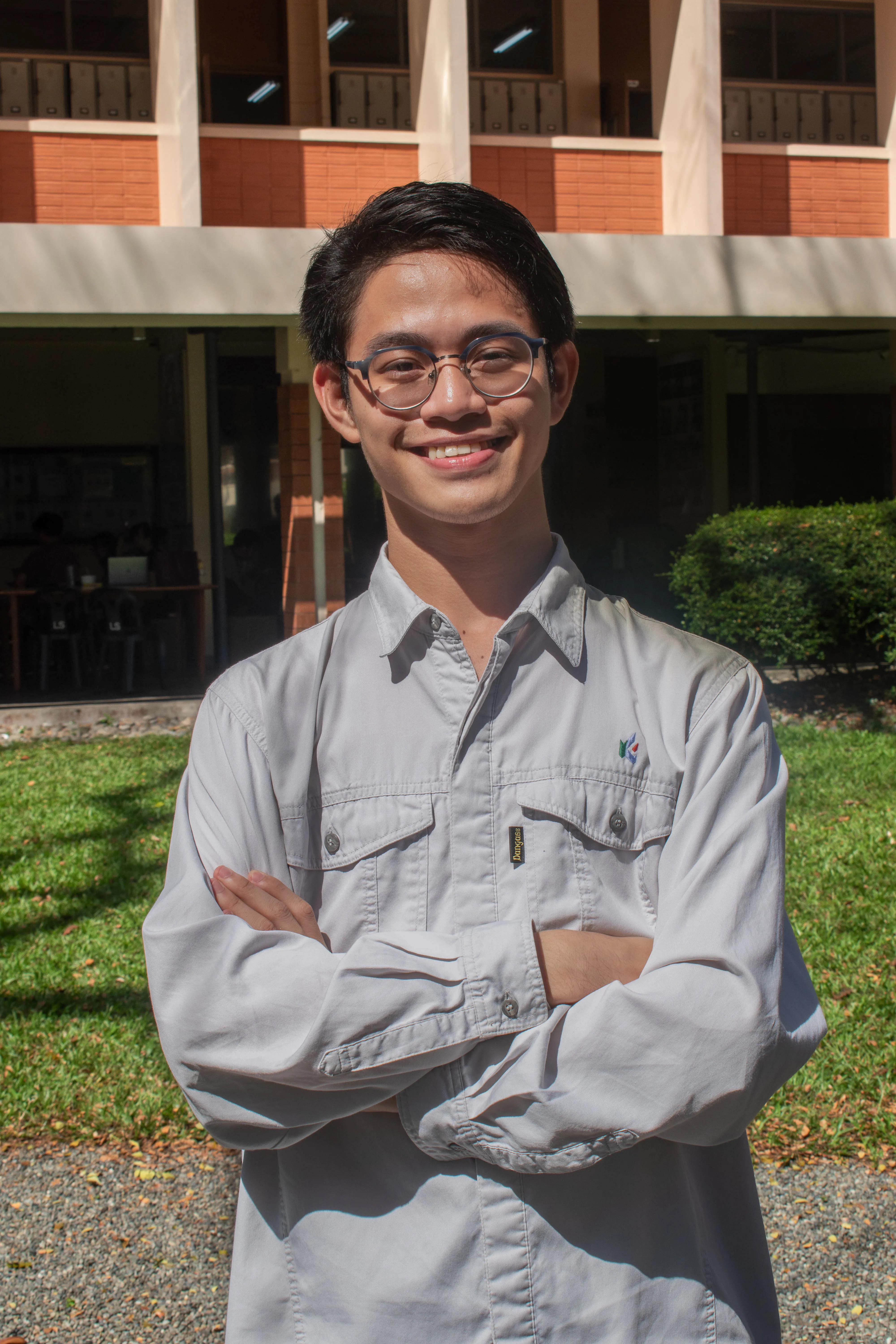
GROUNDED IN the belief that scholars help shape the Ateneo community, incumbent Scholars’ Sectoral Board (SSB) Representative Hxyll Almonguera campaigned for the position to increase scholars’ visibility in the Sanggunian and the Ateneo community. Throughout his term, Almonguera worked towards a truly inclusive scholar community that vitalizes the scholars’ voice.
I believe that scholars are not merely recipients of aid, but active agents of change. [...] And I believe na yung scholars have [a] crucial voice sa nation building.
Formulated various initiatives to address scholars’ concerns
Formulated the Service Hours Request System in coordination with the Office of Admission and Aid to request and open scholar service hours opportunities.
Modified the current system of Food Stubs SCHOpport meal discounts eligibility from catering only to Financial Aid scholars to all types of scholarships.
Provided support through Perfect SCHOre during the first semester final examinations for scholars to have more study spaces, alongside donation drives for books and required academic items in partnership with Ateneo GABAY.
Collaborated with Ateneo GABAY to form the Scholar’s Card, which provided discounts to scholars across different stakeholders and concessionaires within and outside Ateneo.
Improved touchpoints between SSB and scholars
Established DiSCHOurse as a two-day focus group discussion (FGD) to gather and understand scholars’ concerns on their food, dorm, and commute experiences.
Created SCHOCheck as a data gathering initiative to address various scholars’ issues and to serve as a preliminary data for crafting legislation reports.
Developed DiSCHOssion on the GO—a series of short-form explainer videos that provide scholars with information and tips relevant to their scholar life, such as affordable karinderyas and talipapa near the campus.
Facilitated the Salubong with Ateneo Gabay, which aimed to welcome scholar freshmen.
Fortified SSB's scholar-focused advocacy engagement
Spearheaded SSB’s first Talakayang Alay sa Bayan (TALAB) talk, which tackled the opportunities and struggles faced by scholars.
Strengthened SSB’s internal procedures and structure
Initiated a Board Planning Seminar as recommended by the previous term
Facilitated a three-day and two-night seminar to evaluate the previous semester’s systems while ensuring that the board is aligned with its planned initiatives for the second semester.
As an integral part of SSB’s system of operations, the first semester was spent finalizing the ratification of its Code of Internal Procedure (CIP) to streamline internal procedures and standardized operations.